Animal Rhinoceros PNG Sublimation: A Strategic Creative Asset for Purpose-Driven Design
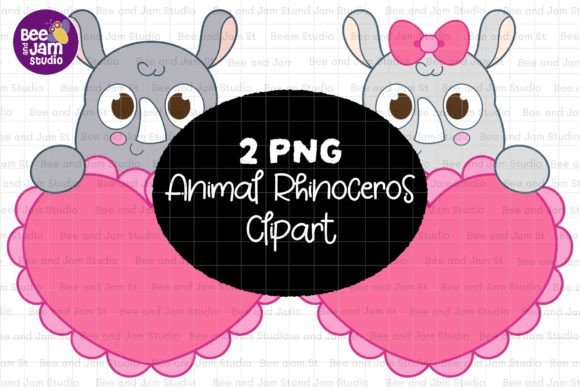
Animal Rhinoceros PNG Sublimation isn’t just another clipart download—it’s a high-fidelity, versatile visual asset engineered for intentionality. At its core, it’s a meticulously crafted, transparent-background illustration of a rhinoceros, delivered in print-ready resolution (4000×4500 px, 300 dpi, sRGB), optimized for both digital flexibility and physical output. Unlike generic vector silhouettes or low-res stock images, this file set supports precise layering, color adaptation, and scale integrity—critical when your design decisions impact brand perception, learner engagement, or product differentiation.
Why This Matters Strategically—Not Just Aesthetically
For creators building tangible value—whether educators designing busy books, small-batch POD entrepreneurs launching holiday collections, or marketing professionals developing seasonal campaigns—the choice of foundational assets directly influences efficiency, consistency, and perceived quality. Animal Rhinoceros PNG Sublimation delivers reliability: no pixelation at poster size, no background cleanup, no licensing ambiguity. That means less time troubleshooting and more time iterating on messaging, audience alignment, or layout refinement.
Consider a teacher preparing a vocabulary-rich fall-themed activity book for early learners. Using a poorly scaled or watermarked image risks visual clutter and cognitive overload. With this rhino asset, they can isolate key features—horn, textured skin, expressive eyes—to anchor phonics lessons (“R is for Rhino”), reinforce texture vocabulary (“rough,” “thick,” “gray”), or integrate into pattern-based math exercises—all without compromising clarity or educational intent.
When to Deploy It—and When to Pause
Timing matters as much as selection. Animal Rhinoceros PNG Sublimation excels in contexts where thematic resonance, scalability, and production readiness converge:
- Seasonal product launches: Its organic shape and grounded presence lend warmth to Thanksgiving table runners, Christmas card borders, or Valentine’s “wild love” motifs—without veering into cliché.
- Educational scaffolding: In back-to-school planners or science-aligned coloring pages, the rhino becomes a gateway to discussions about conservation, habitats, or mammal classification—adding depth beyond decoration.
- Brand-led sublimation: For apparel or home goods businesses, the clean transparency and high resolution allow seamless integration with gradients, foil accents, or layered typography—no visible edges or halos that erode premium positioning.
But deploying it without context carries quiet risk. Dropping the rhino onto a baby shower invitation without considering tone—e.g., pairing it with soft pastels and delicate script versus bold geometric patterns—can unintentionally signal mismatched energy or audience misalignment. Likewise, using it in a vocabulary set without reinforcing pronunciation guides or contextual sentences dilutes its pedagogical utility. Intention precedes application.
How to Use It With Precision—Not Just Convenience
Start with purpose—not pixels. Before opening Canva or Illustrator, ask:
- What outcome does this design serve? Is it to calm (e.g., mandala-style rhino coloring for mindfulness), instruct (e.g., labeled anatomy diagram for biology units), or convert (e.g., limited-edition T-shirt for a wildlife nonprofit)?
- Where will it live? A notebook cover needs balanced negative space; a seamless pattern requires tile-edge continuity; a digital sticker demands crisp anti-aliasing at thumbnail size. The same file behaves differently across surfaces.
- What’s the next step after download? Will you recolor it in Photoshop to match a brand palette? Layer it behind hand-lettered quotes in Illustrator? Resize it proportionally for a 5×7” greeting card while preserving horn detail? Planning the edit before the import prevents rework.
Practical tip: Because the file includes two distinct PNG variants—one perhaps facing left, one with subtle shadow or texture variation—use them deliberately. Place the bolder version as a focal point on a brochure cover; use the softer variant as a repeating element in a background design or planner header. Variation within consistency builds visual hierarchy without visual fatigue.
Long-Term Value Beyond the First Download
This isn’t disposable content. The ZIP delivery—two high-res PNGs, editable across platforms, royalty-free for commercial use—means strategic reuse over time. An entrepreneur launching a line of eco-conscious kids’ apparel might start with rhino-themed onesies for Earth Day, then repurpose the same asset for a summer camp workbook, a teacher resource bundle on endangered species, and a printable classroom reward chart—all while maintaining cohesive visual language.
That continuity strengthens recognition. Parents who buy a rhino coloring page from your shop today are more likely to trust your Halloween collection tomorrow—if your style, resolution standards, and attention to detail remain consistent. It’s not about repetition; it’s about reliability as a differentiator in saturated markets.
What to Consider Before Integration
Even high-quality assets require contextual vetting. Ask yourself:
- Audience alignment: Does a rhinoceros resonate with your users’ interests or cultural associations? For younger children, its size and texture may spark curiosity; for teen audiences, consider whether it aligns with broader aesthetic trends (e.g., minimalist fauna, neo-vintage illustration).
- Production constraints: While 300 dpi ensures print fidelity, verify your printer’s color profile compatibility—especially if layering with spot colors or metallic inks. Soft-proof in sRGB first.
- Content synergy: Pairing the rhino with text about “gentle giants” or “resilient protectors” deepens meaning. Avoid decorative isolation unless the goal is pure texture or shape study.
Also note: Because this is a static PNG—not a layered PSD or editable vector—it won’t support path manipulation or font replacement. If your workflow depends on modifying individual elements (e.g., separating horn from body for animation), pair it with complementary vector resources—or plan edits in raster-first tools like Photoshop where transparency and resolution are preserved.
Real-World Application: From Concept to Outcome
A freelance designer working with a boutique stationery brand used Animal Rhinoceros PNG Sublimation to develop a limited-run Thanksgiving collection. Instead of defaulting to turkeys or pumpkins, they centered the rhino as a symbol of gratitude—“steadfast presence,” “quiet strength,” “community protection.” They placed it subtly in corner flourishes on kraft paper cards, recolored it in warm amber for napkin prints, and extracted its silhouette for gold-foil stamped gift tags. Result: a differentiated line that stood out at local craft fairs and drove 32% repeat orders from customers citing “meaningful design” as a key reason.
Similarly, a homeschooling parent built a custom busy book around animal adaptations. Using the rhino’s thick skin as a tactile exploration prompt, they printed the PNG on textured cardstock, laminated sections for durability, and paired each page with open-ended questions (“How does this help it survive?”). The high resolution ensured fine details remained legible after repeated handling—a small but critical factor in long-term usability.
These aren’t edge cases. They reflect how deliberate asset selection enables clarity of message, confidence in execution, and sustainability of effort.
Final Thought: Tools Enable—Strategy Directs
Animal Rhinoceros PNG Sublimation is a tool—not a solution. Its value emerges only when matched with clear goals, thoughtful sequencing, and audience-centered judgment. Download it freely. Edit it boldly. Scale it confidently. But always begin with why—not what. That discipline separates memorable, mission-aligned work from visually adequate output. When your designs carry weight, consistency, and quiet intention, they don’t just fill space—they hold meaning.